
Introduction The era of Urban Air Mobility (UAM) and heavy-lift logistics is no longer science fiction; it is happening right now across the UK. From delivery trials in remote Scottish islands to prototypes for passenger-carrying quadcopters, the demand for raw power is skyrocketing. Standard hobby motors simply won’t cut it. You need industrial strength.
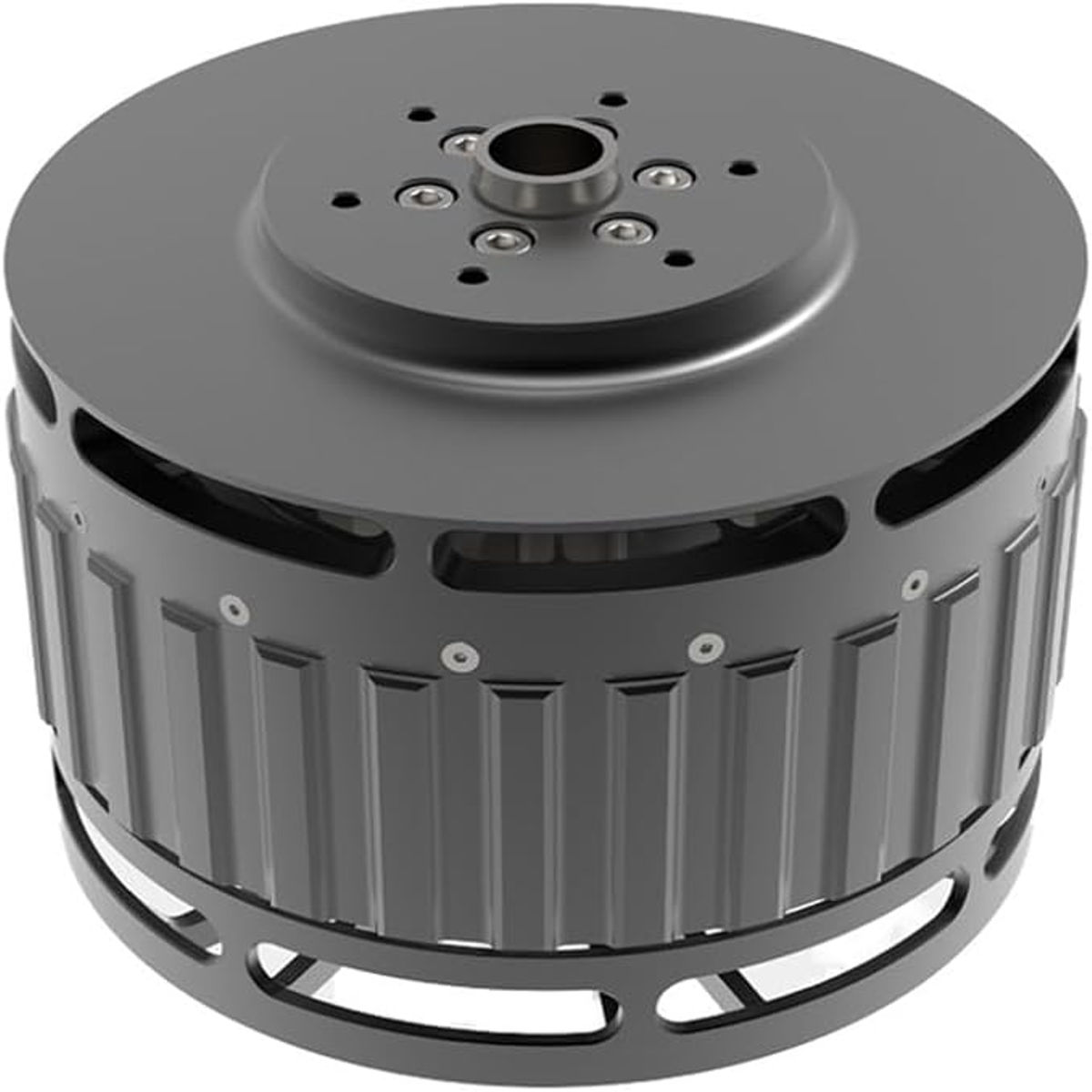
That is where the Power 10KW Electric Aircraft Motor comes in. Designed specifically for Passenger and Freight Transport, this beast of a motor promises to lift heavy payloads with efficiency and reliability. But is it suitable for your custom build? In this 10KW Electric Drone Motor review, we analyse its thrust capabilities, build quality, and whether it is the right choice for the next generation of British drone engineers.
What Does “10KW Power” Actually Mean?
To understand the significance of this motor, we must look at the numbers. Most consumer drones run on motors that output a few hundred watts. This unit outputs 10 Kilowatts.
This massive power output is designed for Heavy-Lift UAVs. Whether you are building an agricultural sprayer that needs to carry 50kg of liquid, or working on a prototype for a single-passenger eVTOL (Electric Vertical Take-Off and Landing) aircraft, 10KW is the entry-level standard for manned flight capability. This motor is built to turn large propellers (often 30 to 40 inches) to generate the massive thrust required to fight gravity with a heavy load.
Build Quality and Durability
For freight and passenger transport, failure is not an option. This motor features a robust design optimized for heat dissipation.
- Cooling System: High power generates high heat. This motor is engineered with an open structure or centrifugal fan design (depending on the specific batch) to ensure airflow keeps the copper windings cool during operation.
- Bearings: It utilizes high-grade industrial bearings. In the UK climate, where moisture and dampness are common, having sealed, high-quality bearings is essential to prevent rust and ensure smooth operation over hundreds of flight hours.
- Efficiency: As a brushless motor, it offers higher efficiency than traditional brushed counterparts, meaning you get more flight time from your battery pack—a critical factor when carrying valuable cargo.
Applications: Passenger vs. Freight
Who is this motor actually for? It is not for the casual flyer.
- Freight Transport: With the UK logistics sector looking to bypass traffic congestion, heavy-lift drones are the solution. This motor provides the torque needed to lift parcels, medical supplies, or industrial tools.
- Passenger Transport: This is the exciting part. This motor is “Fit for Drone” passenger projects. A standard manned multirotor usually requires 4 to 8 of these motors working in unison to lift a human pilot safely.
- Research Projects: University engineering departments across the UK often use these motors for wind tunnel testing and aerodynamic research.
Installation and Compatibility
It is worth noting that a 10KW Electric Drone Motor requires a specific ecosystem. You cannot just plug this into a standard battery.
- ESC (Electronic Speed Controller): You will need a High-Voltage (HV) ESC capable of handling high amperage spikes.
- Batteries: These motors typically run on high-voltage setups (12S, 14S, or even higher LiPo/Li-ion configurations).
- Propellers: To get the most out of 10KW, you need carbon fibre propellers designed for heavy-lift applications.
Pros and Cons
Building a heavy-lift drone is a serious investment. Here are the strengths and weaknesses of this specific power plant.
Pros
- ✅ Massive Power Output: 10KW is sufficient for serious industrial lifting and manned flight prototypes.
- ✅ High Torque: Capable of spinning large propellers for maximum efficiency.
- ✅ Robust Construction: Designed to withstand the stress of heavy loads and continuous operation.
- ✅ Future-Proof: As regulations in the UK open up for heavier drones, this motor fits the compliance needs for commercial operations.
- ✅ Brushless Efficiency: Low maintenance compared to internal combustion engines.
Cons
- ❌ Heat Management: Requires careful airflow planning; it can get hot under maximum load.
- ❌ Requires High-End Components: You need expensive ESCs and batteries to run this motor safely.
- ❌ Weight: The motor itself is heavy, which adds to the overall takeoff weight (MTOW) of the aircraft.
Final Verdict: Is It the Right Motor for You?
The Power 10KW Electric Aircraft Motor is a specialized piece of engineering. If you are a hobbyist looking to fly a camera in the park, this is not for you.
However, if you are a professional drone builder, a university researcher, or an innovator in the UK’s growing freight and passenger UAV sector, this motor is an excellent choice. It offers the raw power needed to lift humans and heavy cargo, combined with the reliability of electric propulsion. It is the heart of a machine built to work, not just to play.
For those ready to push the boundaries of gravity, this motor provides the thrust you need to get off the ground.
Click the link below to check the latest specifications and availability on Amazon.
About the Author


