


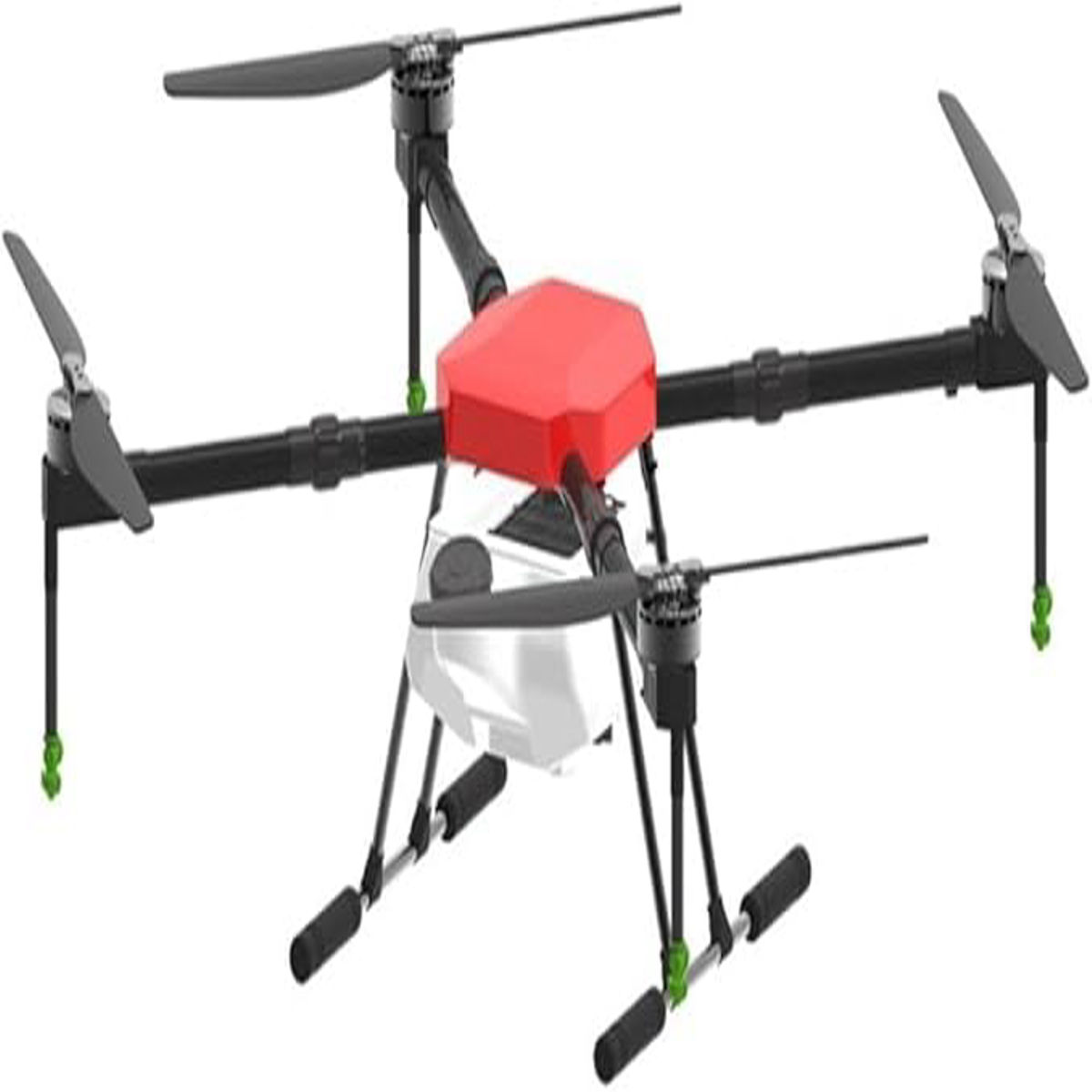
Introduction The landscape of British agriculture is changing. With rising labour costs and the increasing need for precision, farmers and landowners are turning to technology. While tractors have been the backbone of farming for a century, the 10L Agriculture Drone (UAV Multirotor) represents the new frontier.
Specifically designed for the X1400 frame, this 10L Drone with 10KG Tank promises to make crop spraying, seeding, and fertilising more efficient than ever. But is this “White Full Set” UAV robust enough to handle the unpredictable British weather? Is it suitable for small-to-medium holdings? In this detailed 10L Agriculture Drone review, we break down its payload capacity, flight stability, and overall utility to see if it is a worthy investment for your farm.
Design and Build: The X1400 Frame Advantage
The core of this drone is the X1400 Multirotor frame. In the world of industrial UAVs, the X1400 is renowned for its balance between weight and durability.
- Carbon Fibre Construction: Most high-end agricultural drones use carbon fibre arms. This ensures the drone is light enough to fly for longer periods but strong enough to carry a heavy 10KG payload without flexing.
- The “White Full Set” Aesthetic: Visibility is key when flying over green fields or against grey UK skies. The white canopy design isn’t just for looks; it helps the pilot maintain a visual line of sight (VLOS), which is a requirement by the UK Civil Aviation Authority (CAA).
- Foldability: One of the practical benefits of the X1400 design is that the arms are usually foldable. This makes transporting the drone in the back of a Land Rover or pickup truck incredibly easy, saving you setup time in the field.
Payload and Efficiency: The 10L/10KG Tank
The star feature of this UAV is undoubtedly its 10L (10KG) Tank.
- Why 10 Litres? For many UK farmers, a 10L capacity is the “Goldilocks” size. It is significantly larger than hobbyist drones, allowing you to cover decent acreage, but it isn’t as massive or expensive as the industrial 30L monsters.
- Precision Spraying: The multirotor design creates a downdraft (propeller wash). This forces the spray liquid downwards, penetrating the crop canopy more effectively than traditional boom sprayers. This is ideal for applying fungicides or liquid fertilisers to wheat, barley, or rapeseed crops where getting to the base of the plant is crucial.
- Cost Efficiency: By using a drone for spot-spraying weeds or treating specific problem areas, you save massive amounts of chemical costs compared to blanket-spraying an entire field with a tractor.
Flight Performance and Stability
Flying a drone loaded with 10KG of liquid is very different from flying a camera drone. The liquid shifts, creating momentum.
- Stability: The multirotor configuration provides excellent stability. Even in moderate winds (common in the UK countryside), the flight controller works hard to keep the drone level.
- Battery Life: While flight times vary depending on the battery used, agricultural drones typically offer 10–15 minutes of flight time per battery when fully loaded. This is standard for the industry, as lifting 10KG requires immense power. We recommend having at least 3-4 sets of batteries to keep your operation running continuously.
UK Regulatory Note (Important)
It is important to note that flying a drone of this size (over 250g and definitely over 25kg when fully loaded) in the UK requires adherence to CAA regulations. You will likely need an Operational Authorisation (formerly PfCO) or need to fly in the specific Open Category (A3). This drone is a professional tool, not a toy, and operating it responsibly ensures you can farm safely and legally.
Pros and Cons
To help you decide if this X1400 setup is right for your agricultural needs, here is a balanced look at the good and the bad.
Pros
- ✅ Perfect Capacity: The 10L tank strikes a great balance between flight time and coverage area.
- ✅ Precision Application: The rotor downdraft ensures chemicals reach the bottom of the crop.
- ✅ Transportable: The X1400 frame is designed to be foldable and portable.
- ✅ Cost-Effective: Significantly cheaper to run for spot treatments than firing up a diesel tractor.
- ✅ High Visibility: The white full set design is easy to track against the landscape.
Cons
- ❌ Battery Management: You will need multiple batteries and a high-capacity charger for continuous work.
- ❌ Learning Curve: Piloting a heavy agricultural drone requires practice and skill.
- ❌ Regulations: You must comply with UK drone laws, which may require a license for a drone of this weight class.
Final Verdict: Is It Worth It?
The 10L Agriculture Drone with 10KG Tank (X1400) is a robust solution for modernizing farm operations. It offers a level of precision that traditional machinery simply cannot match. For UK farmers looking to reduce soil compaction (no tractor tracks!) and save money on chemicals by targeting specific areas, this UAV is a brilliant investment.
While it requires a setup of batteries and a bit of learning to master the flight dynamics of a loaded drone, the efficiency gains in the long run are undeniable. If you are ready to take your crop management to the skies, this multirotor kit is a solid, professional entry point.
Click the link below to check the latest availability and specifications on Amazon.