
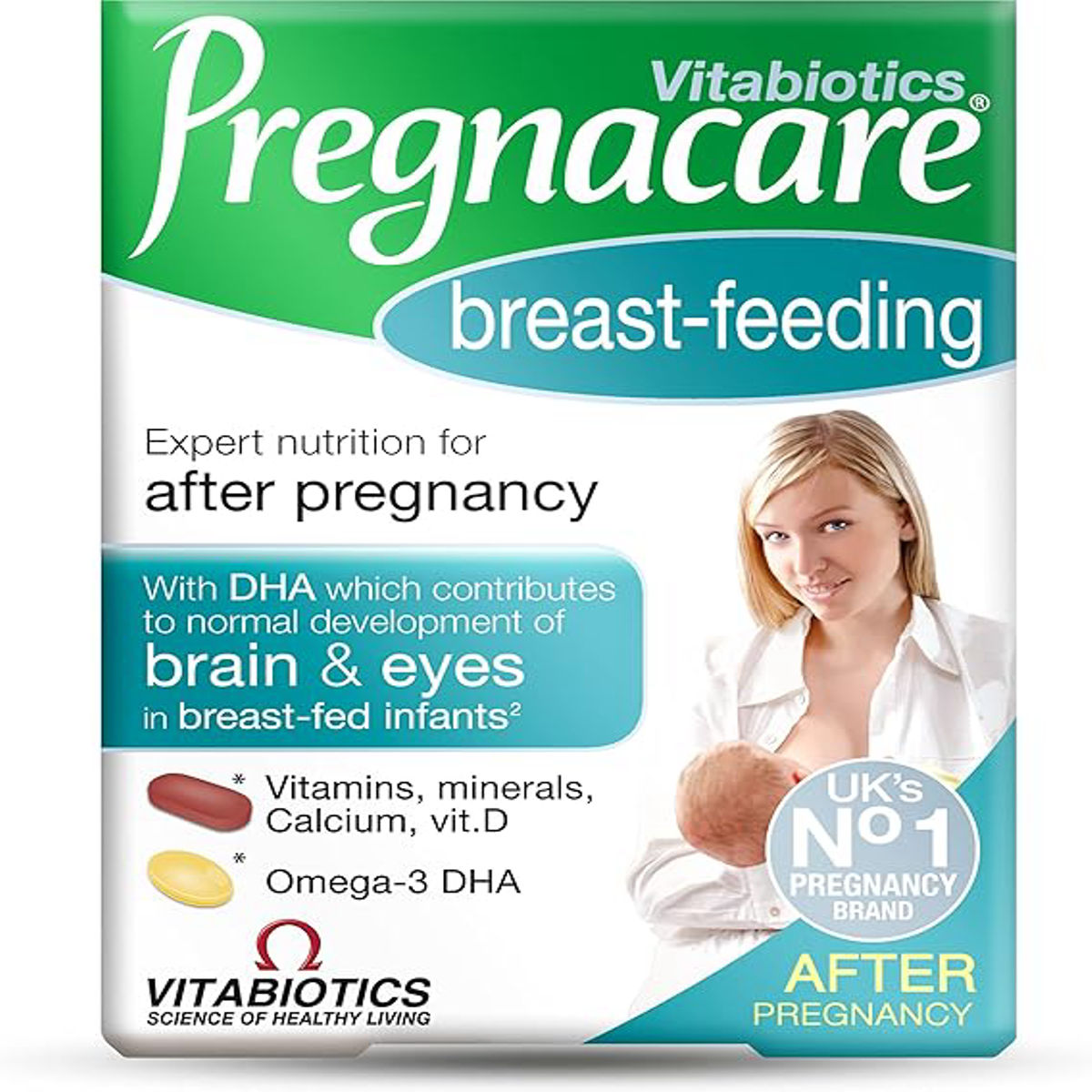
Becoming a new mother is arguably the most rewarding job in the world, but it is also the most physically demanding. In the UK, the focus is often heavily placed on pregnancy nutrition, but the nutritional demands on a mother’s body actually increase during breastfeeding.
You are essentially a walking, talking food source for your baby. If your diet lacks nutrients, your body will deplete its own stores to ensure the milk is nutritious, leaving you feeling drained. This is where Pregnacare Vitabiotics Breast-Feeding Tablets come in. As the UK’s number one pregnancy supplement brand, Vitabiotics claims to offer the ultimate “all-in-one” support pack. But is it worth adding to your daily routine? Let’s find out.
What is in the Box? (The 84 Count Explained)
When you buy the 84 Count pack, you aren’t just getting a single bottle of pills. This is a dual-pack system designed to last for roughly one month (28 days). The box contains:
- 56 Postnatal Micronutrient Tablets: These contain essential vitamins like Calcium, Vitamin D, and Iron.
- 28 High Purity Omega-3 Capsules: These contain DHA (Docosahexaenoic Acid).
The recommended intake is two tablets and one capsule per day. This comprehensive approach ensures that you don’t need to buy a separate multivitamin and a separate fish oil supplement—it is all sorted in one box.
Why is Specific Breastfeeding Support Needed?
Many new mums in the UK assume they can just continue taking their standard pregnancy vitamins. While that is better than nothing, breastfeeding requires a different nutritional profile.
1. Calcium and Vitamin D for Bones
Your baby needs a lot of calcium to grow their rapidly developing skeleton. If you aren’t consuming enough dairy, your body will leach calcium from your bones to put into the breast milk. Pregnacare includes 700mg of Calcium and 10mcg of Vitamin D3 to protect your bone health while supporting the baby.
2. Brain and Eye Development (DHA)
This is the star ingredient. The separate Omega-3 capsules provide 300mg of DHA. Maternal intake of DHA contributes to the normal development of the brain and eyes of breast-fed infants. Since the body cannot produce much of this on its own, and eating oily fish every day isn’t practical for most busy mums, this capsule is a vital addition.
3. Fighting the “New Mum Fatigue”
Sleep deprivation is part of the package. However, low iron levels can make tiredness significantly worse. Pregnacare includes Iron, Vitamin B6, and B12, which are scientifically proven to contribute to normal energy release and the reduction of tiredness and fatigue. It won’t replace a full night’s sleep, but it helps your body cope with the lack of it.
Trust and Quality
Vitabiotics is a household name in the UK. They have won the Queen’s Award for Innovation, which adds a layer of trust that generic supermarket brands often lack.
Crucially, the ingredients are formulated by experts. The levels of vitamins are carefully balanced—they are not “mega-dosed.” This is important because excessive amounts of certain vitamins (like Vitamin A) can be harmful, but Pregnacare adheres to safe, recommended limits for lactating mothers.
Ease of Use
Let’s be honest: remembering to take supplements with a crying newborn is hard. The blister packs are labelled with days of the week, which is a handy visual reminder. You take them on a full stomach (usually after lunch or dinner).
The tablets are smooth-coated, but they are relatively large. If you struggle with swallowing pills, taking three a day (two tablets + one capsule) might feel like a chore, but it is a small price to pay for the nutritional insurance it provides.
Pros and Cons
To help you decide if this is the right supplement for your postnatal recovery, here is a breakdown of the pros and cons.
Pros
- Comprehensive Formula: Combines a high-quality multivitamin with a high-purity Omega-3 capsule, saving you from buying two products.
- Baby Development: Contains adequate DHA to support the baby’s brain and eye development via breast milk.
- Energy Support: Specifically formulated with Iron and B-Vitamins to help combat postnatal fatigue.
- Trusted Brand: Produced by the UK’s No.1 pregnancy supplement brand with high pharmaceutical quality control.
- Bone Health: Includes Calcium and Vitamin D to protect the mother’s bone density during lactation.
- No Vitamin A: Formulated without high levels of Vitamin A (Retinol), making it safe for mother and baby.
Cons
- Tablet Size: The tablets are quite large, which can be difficult for some people to swallow.
- Daily Load: You have to take 3 pills a day (2 tabs + 1 capsule), which can be annoying to remember.
- Not Vegetarian/Vegan: The Omega-3 capsules are derived from high-purity fish oil, so this product is not suitable for vegetarians (Vitabiotics sells a separate vegan version).
- Aftertaste: Occasional “fishy burps” can occur from the Omega-3 capsule if not taken with a substantial meal.
Final Verdict
Pregnacare Vitabiotics Breast-Feeding Tablets (84 Count) are widely considered the “gold standard” for UK mothers for a reason. They take the guesswork out of postnatal nutrition.
When you are busy changing nappies and feeding round the clock, your own diet often suffers (tea and toast becomes a staple!). This supplement acts as a safety net, ensuring that even on your bad eating days, both you and your baby are getting the essential nutrients required.
While the requirement to take three pills a day is a slight inconvenience, the inclusion of high-quality Omega-3 DHA makes it superior to standard multivitamins. For the sake of your energy levels and your baby’s development, it is a highly recommended investment for your breastfeeding journey.
About the Author


